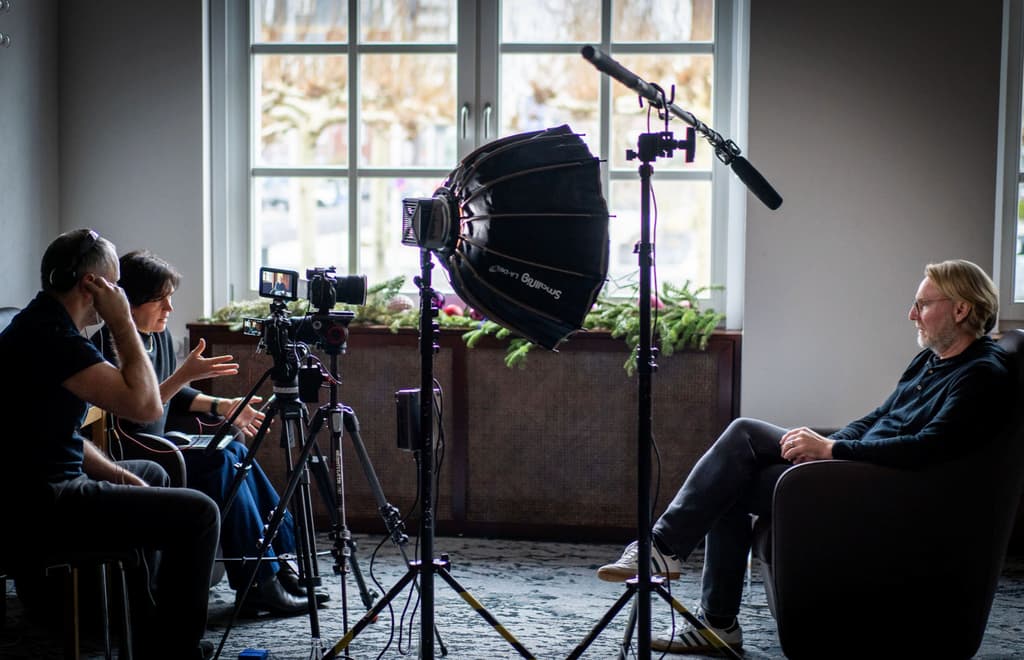
Who needs to change?
Define the audience and the gap between what they understand, believe or do today and where the business needs them to get to.
B2B Video Strategy · London + UK
Start with what needs to change.
Before deciding what to make, MHF helps marketing teams work out who needs convincing, what they need to understand, what will make the message believable and which story is most likely to move them.
What Is Video Strategy?
A B2B video strategy is a plan for how video will help change what a specific audience understands, believes or does. It defines the audience, message, proof, story and role of each piece of content before production begins.
The mistake is starting with the format: “we need a brand film”, “we need a customer story” or “we need six videos for LinkedIn”. Those may eventually be the right outputs, but they are not the strategy.
MHF starts with the communication problem. Who are we trying to reach? What do they understand now? What needs to change? What will make the message credible? And where does video have the greatest role to play?
From there, we can decide whether the strongest answer is a product video, customer story, thought leadership series, brand film or a combination of formats working together.
Video strategy is not about making more content. It is about knowing which content deserves to exist, what job it needs to do and what will make it work.
Define the audience and the gap between what they understand, believe or do today and where the business needs them to get to.
Identify the message, evidence, expertise, customer proof or product demonstration needed to make the story credible.
Choose the right story, format and distribution approach only after the communication problem and commercial objective are clear.
The MHF Four Jobs
Before deciding what to make, we ask a more useful question: what job does the video actually need to do?
In most B2B briefs, the answer comes back to one of four things: explain what you sell, prove why it matters, show what you know or change how people see you.
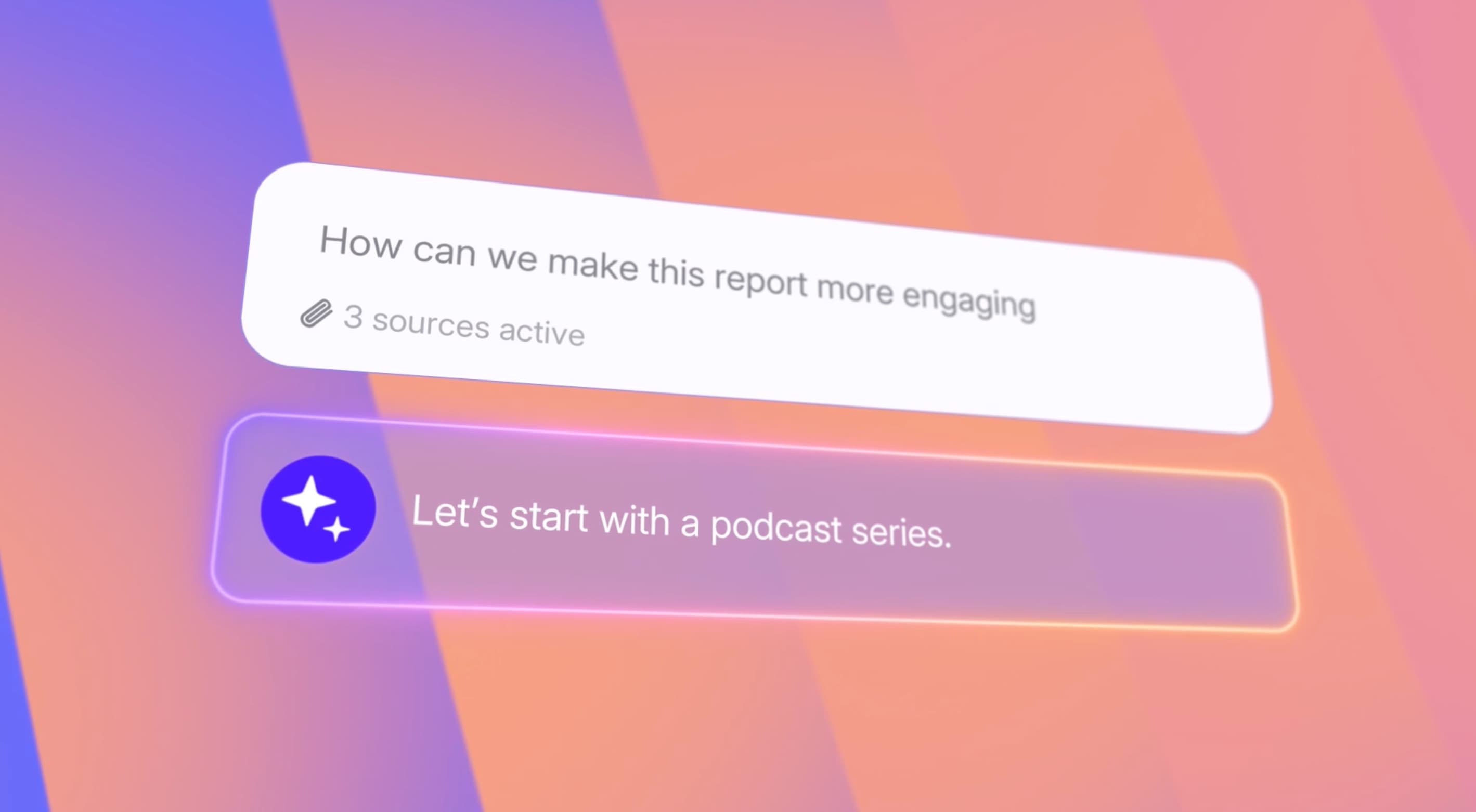
Explain
When a product, service or proposition is difficult to grasp, the job is to make the value easier to understand without stripping away the substance.
The question
Can the right buyer quickly understand what this is, who it is for and why they should care?
Product films · proposition films · explainers · product UI · animation
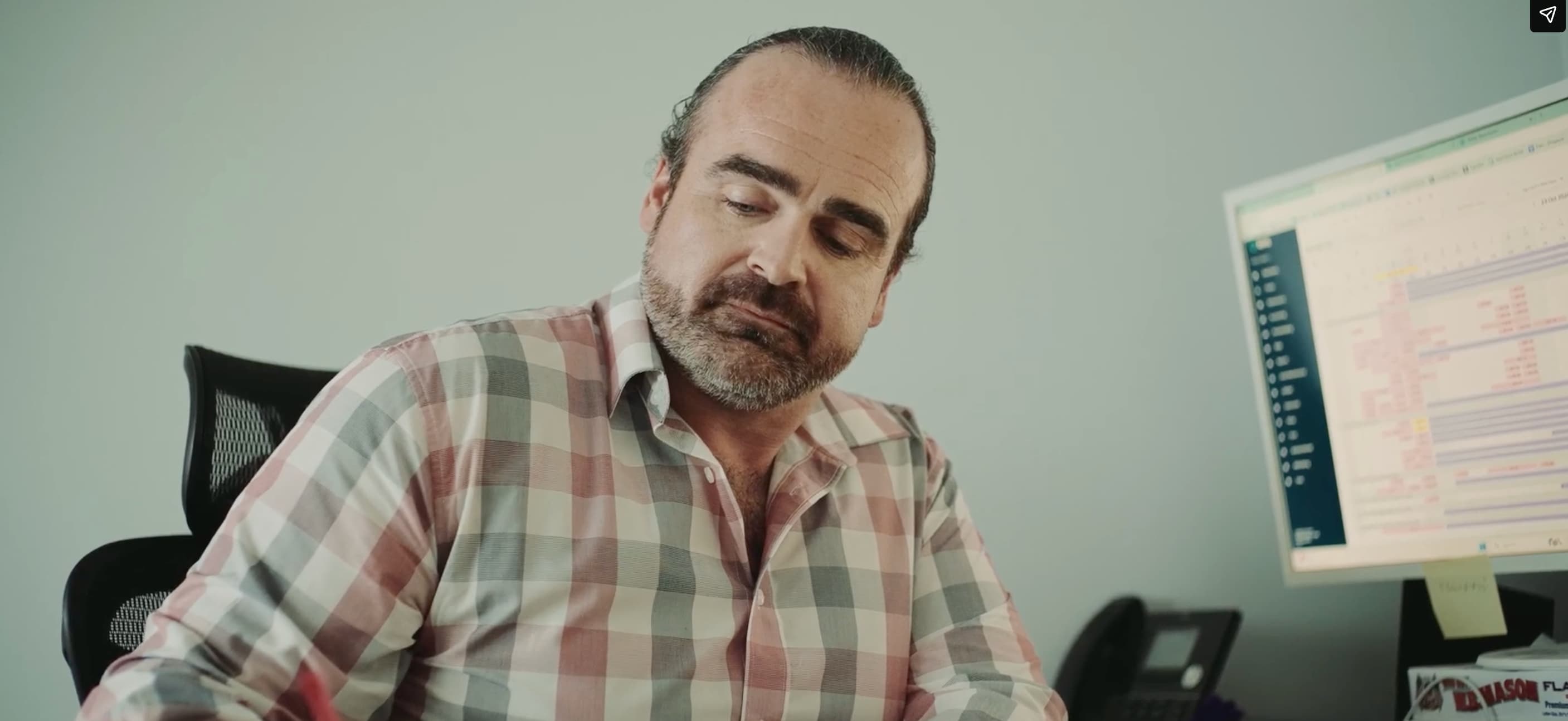
Prove
Buyers do not just need claims. They need reasons to believe them. Customer experience, outcomes and real-world evidence make the value credible.
The question
What would make someone believe this rather than simply hear us say it?
Customer stories · case studies · testimonials · product proof

Lead
Turn expertise into useful content that gives the audience something worth knowing and gives the business a stronger point of view.
The question
What does this business understand that its audience would genuinely benefit from knowing?
Thought leadership · executive content · interviews · expert series
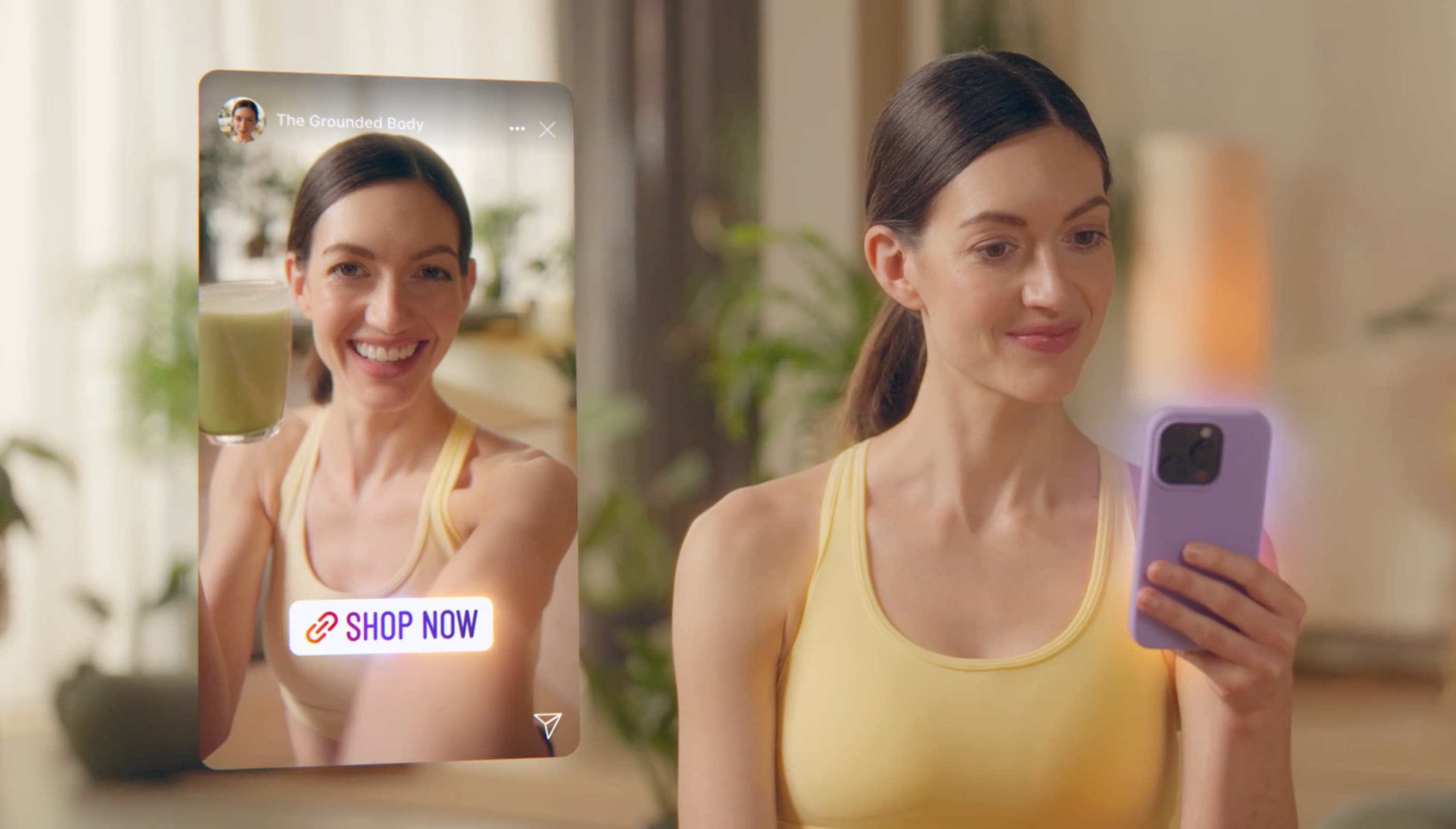
Reposition
Sometimes the challenge is not awareness. It is an outdated perception. Video can help show what has changed and establish a new story around the business.
The question
What do people think about the business today, and what do we need them to think instead?
Brand films · repositioning · rebrands · market entry · business change
Start Here
Before asking “What video should we make?” ask “Which job are we trying to do?”
Strategy In Practice
Video strategy is not choosing a format from a menu. We start with the business problem, the audience and what needs to change, then shape the message, proof and creative response around that.
Content Studio was not simply another feature within Unily. It was a distinct new core offering alongside the existing platform and needed its own proposition, story and launch.
The Problem
The product needed to be understood quickly without turning the launch film into a feature list or assuming the audience already understood why it was needed.
The Strategic Decision
We started with the audience problem: people do not all consume content in the same way. That establishes the need before Content Studio enters naturally as the solution.
What We Did
Across a four-week turnaround, MHF worked collaboratively with the Unily team to develop and refine the messaging through several rounds.
We then created an animatic so the complete film could be seen and tested before production, before organising the cast, crew and shoot and moving into edit, product animation and sound design.
The Output
A 60-second launch film plus two distinct hook-led social films created specifically for paid amplification.
RMS wanted its customer stories to humanise the brand and speak directly to hoteliers and hospitality operators facing the same kinds of operational pressures.
The Problem
A conventional software testimonial would put too much focus on RMS. The stronger opportunity was to show the people behind the hospitality business and let their experience carry the proof.
The Strategic Decision
We put the customer first: their venue, their pressures, their operational challenges and what changed. RMS sits naturally within that story rather than becoming the subject of it.
What We Did
Roomzzz formed part of a three-film customer campaign focused on hoteliers and people running hospitality venues.
MHF worked remotely with the RMS marketing lead to reverse-engineer the right interview questions around the story we needed to uncover.
We used a deliberately small production footprint with one camera operator on location, helping the filming feel natural and unobtrusive, before shaping the interviews and observational material into a documentary-style edit.
The Output
A three-film customer series designed to humanise RMS and turn real hospitality experience into credible buyer proof.
Awin needed to move perception beyond traditional affiliate marketing and communicate a broader SaaS proposition as the business expanded further into the US.
The Problem
Awin already had strong recognition in affiliate marketing, but that existing perception did not fully represent the broader technology platform the business had become.
The Strategic Decision
Rather than asking one film to speak equally to everyone, we separated the proposition around two specific audiences and the value Awin creates for each.
What We Did
MHF developed two distinct films around those audience needs.
The main platform film targeted marketers, focusing on the commercial value and capabilities of Awin's wider platform.
The mobile film targeted the influencer market, focusing instead on the value Awin creates for creators from their own point of view.
Messaging, product UI, brand storytelling and motion design were then shaped around the value each audience needed to see rather than simply listing functionality.
The Output
Two audience-specific brand and product films: one focused on marketers and the main platform, and one focused on the influencer and creator market through mobile.
The Principle
The films look different because the problems are different. The format follows the strategy.
Strategy In The Work
Strategy is not a separate layer we add before production. It is how we work out what the audience needs to understand, what will make the message credible and what kind of video is most likely to do the job.
We work backwards
From the business problem to the audience to the message to what should actually be made.
Business
We start with the business problem, not the requested format. What is happening, and what does the communication need to help change?
Audience
Who are we speaking to, what matters to them and what do they already think, know or assume?
Change
We define what the audience should understand, believe, feel or do differently after watching.
Message
We find the core idea and remove what does not earn its place. Complex does not need to mean complicated.
Proof
That might be a customer experience, product demonstration, data, expertise or the people behind the business.
Story
We shape the narrative, structure and creative treatment around the audience and the job the content needs to do.
Only Then
Once the thinking is clear, we can make better decisions about format, length, production approach, versions and where the content needs to work.
The MHF Principle
We do not begin with “What video should we make?” We begin with “What needs to change?”
How It Works
You do not need to buy a strategy document before we can make something. For most projects, the strategic thinking is built directly into the way MHF develops the brief, message, story and creative approach.
Most Projects
If you are commissioning a product film, customer story, launch film, brand film or thought leadership content, we develop the strategic thinking as part of that project.
This can include
Who the content needs to reach and what matters to them.
What needs to land and what can be left out.
The strongest narrative structure for the brief.
The evidence, people or product detail that makes it credible.
What should actually be made and how long it needs to be.
How the content should work across the channels that matter.
Larger Programmes
Some briefs are bigger than one film. If you have multiple audiences, products, campaigns or an ongoing content programme, it can make sense to plan the role of video more broadly before committing production budget.
Which communication problems should be tackled first.
Where different buyer groups need different stories.
What should explain, launch, prove, lead or reposition.
How to group filming and production efficiently.
What belongs on the website, in sales, paid media, social or internal channels.
The starting point
You do not need to know exactly what video you need before speaking to us. Bring us the brief, the launch, the audience or simply the communication problem.
Start With The Problem
That is fine. Bring us the business problem, audience, launch or brief. We’ll help work out the right story, what is worth making and the production approach that makes sense.