The challenge
Give the audience enough context to understand the problem, opportunity or ambition behind the work.
Case Studies · Projects · Programmes · Partnerships
Turn projects, programmes, partnerships and outcomes into clear, compelling case study films that show what changed, how it happened and why it mattered.
From stakeholder interviews and on-location filming to archive, animation and data-led storytelling, we shape complex work into a story people can quickly understand.
Case Study Video Strategy
A case study should show what changed, how it happened and why the outcome mattered — not simply collect positive soundbites.
The strongest case study films turn complex projects, programmes and partnerships into stories people can quickly understand.
Internal transformation, product launches, major programmes, partnerships, ESG initiatives and campaign outcomes often involve multiple stakeholders, long timelines and a lot of context.
Simply filming an interview rarely captures the full story. The audience needs to understand the original challenge, the decisions made, the work delivered and the evidence of what changed.
That is why we build case study video production around a clear narrative structure, combining stakeholder interviews, archive, supporting footage, animation and data where they help explain the story.
Give the audience enough context to understand the problem, opportunity or ambition behind the work.
Show what was actually done, how people worked together and what made the approach distinctive.
Make the result tangible through evidence, impact, learning and what changed because of the work.






Selected Case Study Work
Projects, partnerships, programmes and outcomes shaped into clear case study films — combining the right voices, evidence and visual material to make complex work easier to understand.
Select a film to watch
A partnership case study combining interview-led storytelling, live footage, product UX and animation to explain how Awin and Klarna worked together and what the partnership enabled.
View projectA case study film showing the results of the University of Bedfordshire’s UKSPF programme, bringing together stakeholders, activity and outcomes to support future funding conversations.
View projectMarket data, expert commentary and report findings shaped into a clear masterclass-style film for a B2B audience.
View projectA senior-led conversation designed to turn specialist cyber security knowledge into an accessible, credible story for a business audience.
View projectA focused film helping Aon explain a specialist insurance proposition clearly, using an expert voice to give a complex subject structure, context and relevance.
A panel-led format bringing together expert perspectives for a sophisticated developer audience, giving the conversation enough structure to work as useful, credible content.
Part of an expert insights series designed to turn individual perspectives into distinctive, repeatable content for daily.dev’s developer and technology audience.
The story should follow the evidence. Interviews where human perspective matters. Archive where history matters. Data and animation where the outcome needs explaining.
Explore more MHF workHow We Build Case Study Films
A strong case study usually starts with more information than the final film needs.
Our job is to find the narrative, identify the right voices and build the evidence around what changed, how it happened and why it mattered.
Strategy
We start by understanding the project, the original challenge, the stakeholders involved and the outcomes worth showing.
This gives us the narrative before filming begins, rather than relying on interviews to find the story afterwards.
Evidence
Interviews are only one part of a case study. We identify the material that will make the story credible and easy to follow.
That might include archive, project footage, photography, product screens, statistics, documents, graphics or animation.
Narrative
We shape the story around a clear progression: the context, the challenge, what happened and the outcome.
The aim is to give the audience enough detail to understand the work without overwhelming them with everything that happened.
Production
We film, edit and finish the main case study, then plan how the content can work beyond a single film.
Where useful, the same production can support shorter edits, stakeholder clips, social assets or campaign content.
The format follows the story
Some are interview-led. Some need archive and animation. Some involve several stakeholders across different locations. We build the format around the story, the evidence available and what the audience needs to understand.
Where Case Study Video Works Best
Case study video is useful whenever there is a meaningful piece of work that needs explaining, evidencing or sharing beyond the people directly involved.
The format can flex around the story — from a single project to a wider programme involving several teams, locations or stakeholders.
Transformation & Change
Bring a transformation programme to life through the people, decisions and milestones behind it, making the journey easier for internal or external audiences to understand.
Programmes & Initiatives
Connect activity, stakeholder voices and outcomes into one clear narrative that shows why a programme mattered and what it achieved.
Partnerships & Collaborations
Show the role each partner played, the problem they were solving and what became possible because of the collaboration.
ESG & Impact
Combine real voices, activity and measurable outcomes to show how sustainability, community or social impact initiatives work in practice.
Product Launches & Implementations
Explain the problem, implementation and result using stakeholder interviews, product visuals, animation and evidence from the rollout.
Campaigns & Business Outcomes
Bring together strategy, execution and performance to show what a campaign or initiative achieved and what others can learn from it.
The common thread is not the subject. It is the need to make important work easier to understand, remember and share.
Build More From The Story
A case study production can create much more than one finished film.
If the story, interviews and supporting material are planned properly, the same production can support different audiences, channels and moments without needing to start again.
The complete story, bringing together context, interviews, evidence and outcomes.
Shorter cuts built around individual voices, themes or proof points for specific audiences.
Focused edits for LinkedIn, paid campaigns, email, events or internal communications.
Statistics, timelines, diagrams and visual proof designed to work inside the film or as standalone campaign assets.
Credibility first
Case studies work because the evidence feels real. We use production, design and animation to make the story clearer — not to make the outcome feel more impressive than it was.
Planning a Case Study Film?
If you have a project, programme, partnership or outcome that deserves more than a written summary, we can help shape it into a clear, credible case study film.
We can help work out the strongest story, who needs to be involved, what evidence to include and the right production approach before you commit to a format.
London-Based · International Production
We produce case study films across London, the UK and internationally, managing the story, production and post-production as one joined-up process.
Some projects happen in one location. Others involve several teams, stakeholders or markets. We can coordinate filming days, trusted crews, travel, remote capture and supplied assets while keeping the creative direction consistent throughout.
For broader London-based production support, explore our corporate video production in London services.
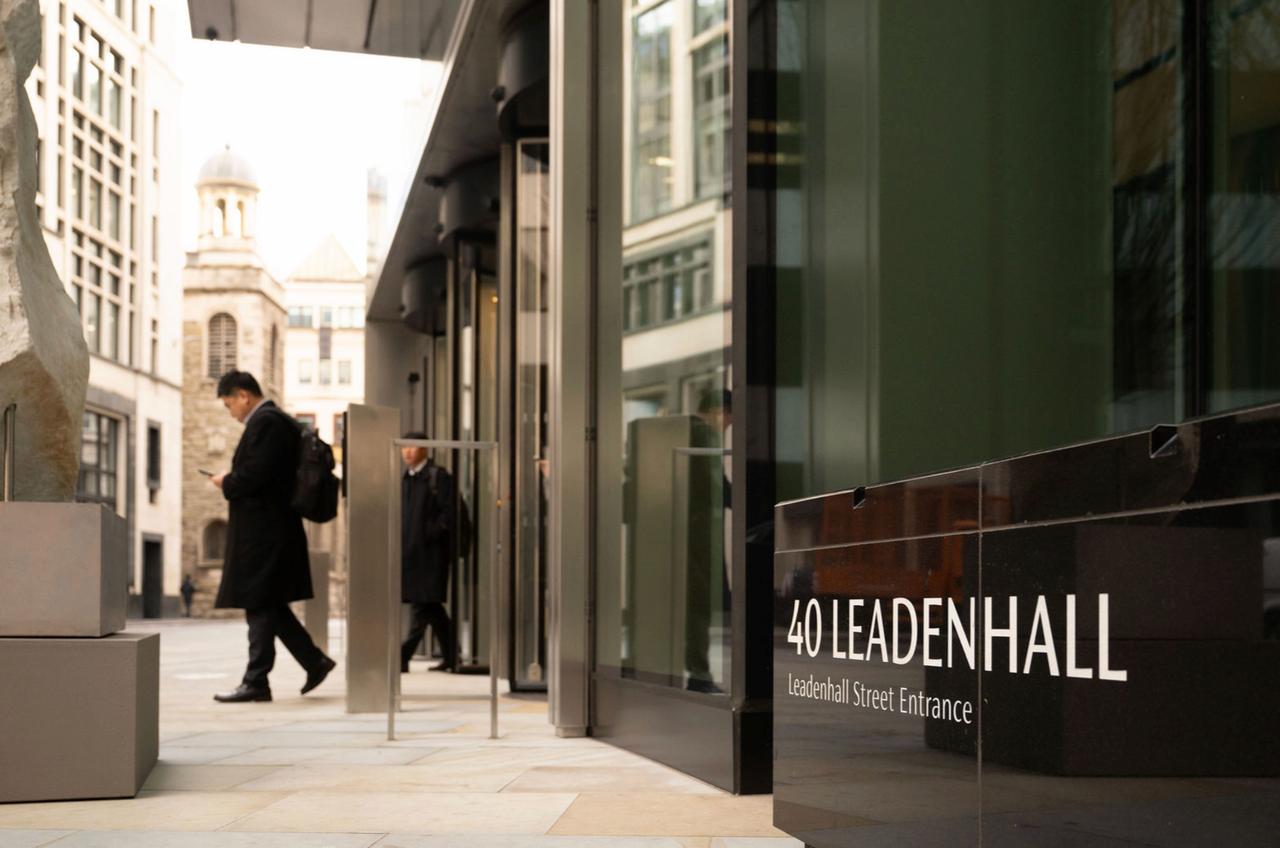
One production approach
Across locations, without losing the story.
Senior-led production across London and the wider UK.
Travel or trusted local crews coordinated around one creative plan.
High-quality remote capture when travelling is not the right option.
Consistent editing, motion design and finishing across every location.
The location can change. The creative direction shouldn’t. One team keeps the narrative, interview approach and final output consistent wherever the story needs to be captured.
Why Evidence Matters
Complex buying decisions rarely depend on one person.
A useful case study gives stakeholders something concrete to understand, share and defend internally — showing not only the outcome, but the context behind it.
That is why we focus on evidence as much as storytelling: credible voices, measurable outcomes, supporting visuals and enough detail to make the result feel real.
Context
The audience needs enough context to understand why the work mattered in the first place.
Evidence
Stats, examples, stakeholder voices, archive and supporting visuals help turn a claim into something more credible.
Relevance
The strongest case studies connect the outcome back to the audience, decision or wider business challenge.
Good case study video does more than say “this worked”. It gives people enough evidence to understand why.
Case Study Video vs Testimonial Video
Both can build trust, but they do it in different ways.
A testimonial is led primarily by the customer’s experience and endorsement. A case study builds a wider story around the challenge, approach, evidence and outcome.
Customer Voice
The customer’s experience, perspective and endorsement.
Customer interviews supported by relevant footage, product or workplace visuals.
Building trust, advocacy and confidence through an authentic external voice.
Websites, sales enablement, social content, campaigns and customer marketing.
Evidence-Led Story
What happened, how it happened and why the outcome mattered.
Interviews, data, archive, project footage, reports, product visuals and animation.
Explaining projects, programmes, partnerships, transformation and measurable impact.
Stakeholder communications, campaigns, funding, internal engagement and complex B2B sales.
Sometimes you need both
A case study can include strong customer testimony. A testimonial can include evidence and results. The right format depends on what your audience needs to understand and what will make the story credible.
Explore customer testimonial video productionWhy MHF
Case studies often involve more judgement than production.
What should be included? What can be simplified? Which evidence actually matters? And how do you make the story clear without flattening the complexity?
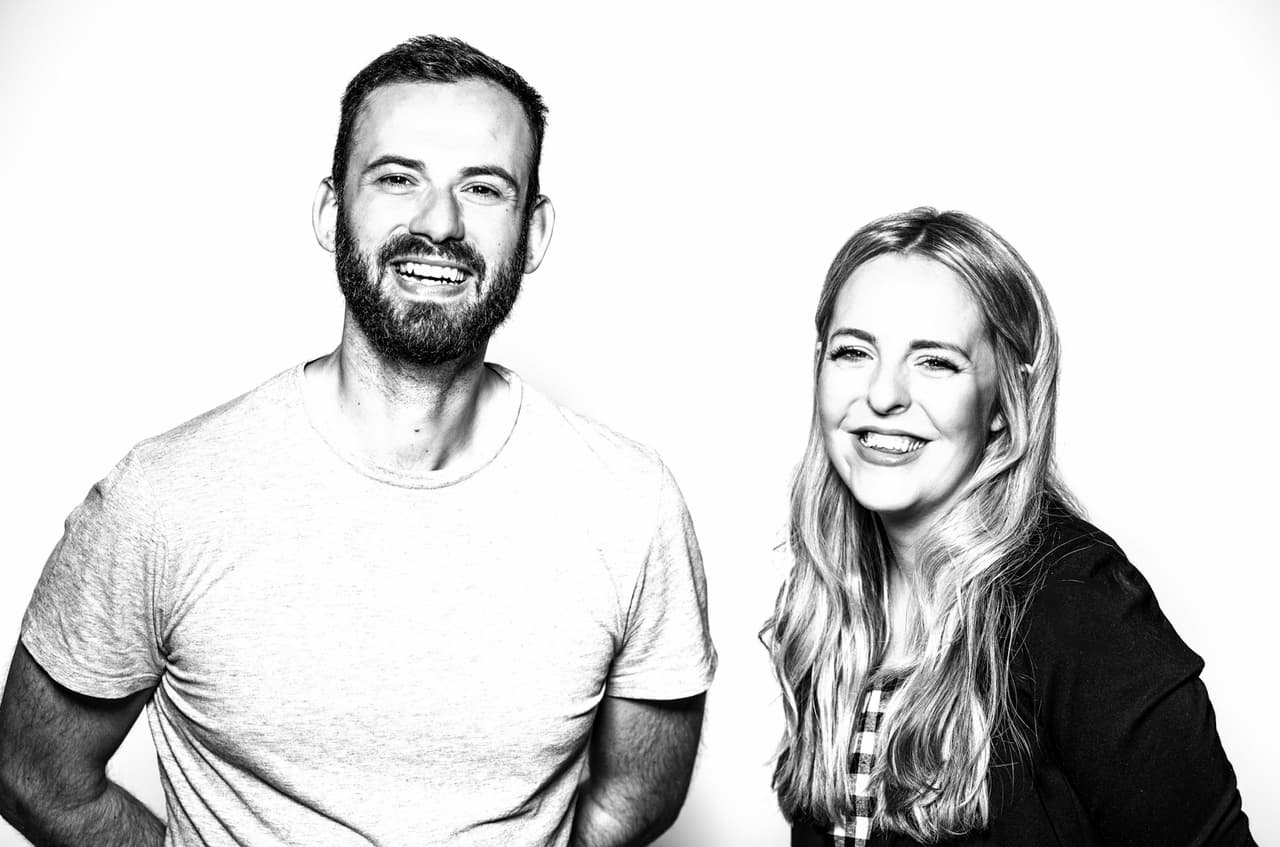
That’s why MHF projects are senior-led from the start. You work directly with Matt and Ciara throughout strategy, production and post-production — combining production experience with an understanding of how complex B2B messaging gets shaped, challenged and approved.
Lean team. Direct access. Senior thinking throughout.
Senior-led throughout
Strategy, production and post stay connected rather than being handed between separate teams.
Work with the senior team shaping the project, not an account layer.
We think about what the audience needs to understand before we think about what to film.
We know when interviews are enough — and when the story needs data, archive, product visuals or animation.
Case Study Video Production FAQ
From timelines and costs to contributors, animation and international filming, these are some of the practical questions that tend to come up when planning a case study video.
A testimonial video is primarily led by the customer’s experience and endorsement. A case study video builds a wider evidence-led story around the challenge, approach, outcome and significance of the work. A case study can still include strong customer testimony, but the emphasis is on explaining what happened and why the result mattered.
Explore customer testimonial video productionA typical project takes around four to eight weeks from confirmed brief to final delivery. The timing depends on the number of contributors, filming locations, stakeholder approvals, animation requirements and the number of final assets being created.
More complex projects involving several locations or senior stakeholders can take longer, while simpler single-location films can often move faster.
Cost depends on the scope of the story and the production model. The main variables are filming days, locations, number of contributors, travel, edit complexity, animation and the number of final deliverables.
A straightforward interview-led case study is a different scope from a multi-location project using several contributors, archive, motion graphics and campaign cutdowns.
Explore our video production pricing guideNo. Some case studies are led by customers, but others are built around internal teams, leadership perspectives, project partners, programme participants, report findings or a combination of voices.
The format should follow the evidence. If interviews are not the strongest way to tell the story, we can use voiceover, archive, product footage, photography, motion design or existing assets instead.
Yes. Reports, programme results, research findings and performance data can all become part of a case study film.
We identify the findings that matter most, then use interviews, visual storytelling, statistics, charts, animation and supporting footage to make the information easier to absorb without stripping away the substance.
Yes. Motion design can be especially useful when part of the story is difficult to film directly.
We can integrate branded graphics, statistics, timelines, maps, product interfaces, report findings, diagrams and other visual evidence where it helps make the case study clearer.
Yes. MHF is London-based and works across the UK and internationally. We can coordinate travel, filming days, trusted local crews, remote contributor capture and supplied footage while keeping the creative direction and post-production consistent across the project.
Yes. With the right planning, the same production can support a main case study film plus shorter stakeholder edits, social cutdowns, vertical versions, sales clips and motion-led assets.
We normally plan those outputs before filming so the interviews and supporting footage are captured with the wider content requirement in mind.
Next Step
Tell us what happened, who needs to understand it and what you want the case study to achieve.
We can help shape the story, identify the strongest evidence and recommend a production approach before you commit to a format.