Unily · Content Studio · Product Launch
A clearer GTM story for a new AI product.
Unily was bringing a new AI-powered content product to market. MHF helped turn an evolving proposition into a clear launch story built around the problem it solves, not a list of features.
The GTM Challenge
Unily was preparing to launch Content Studio, a new AI-powered product designed to help internal communications teams turn trusted source material into different forms of content.
The challenge was not showing everything the product could do. It was deciding what somebody needed to understand about it first. With the positioning still evolving, MHF worked with the Unily team to simplify the proposition around the end-user problem and turn that into a clear go-to-market story.
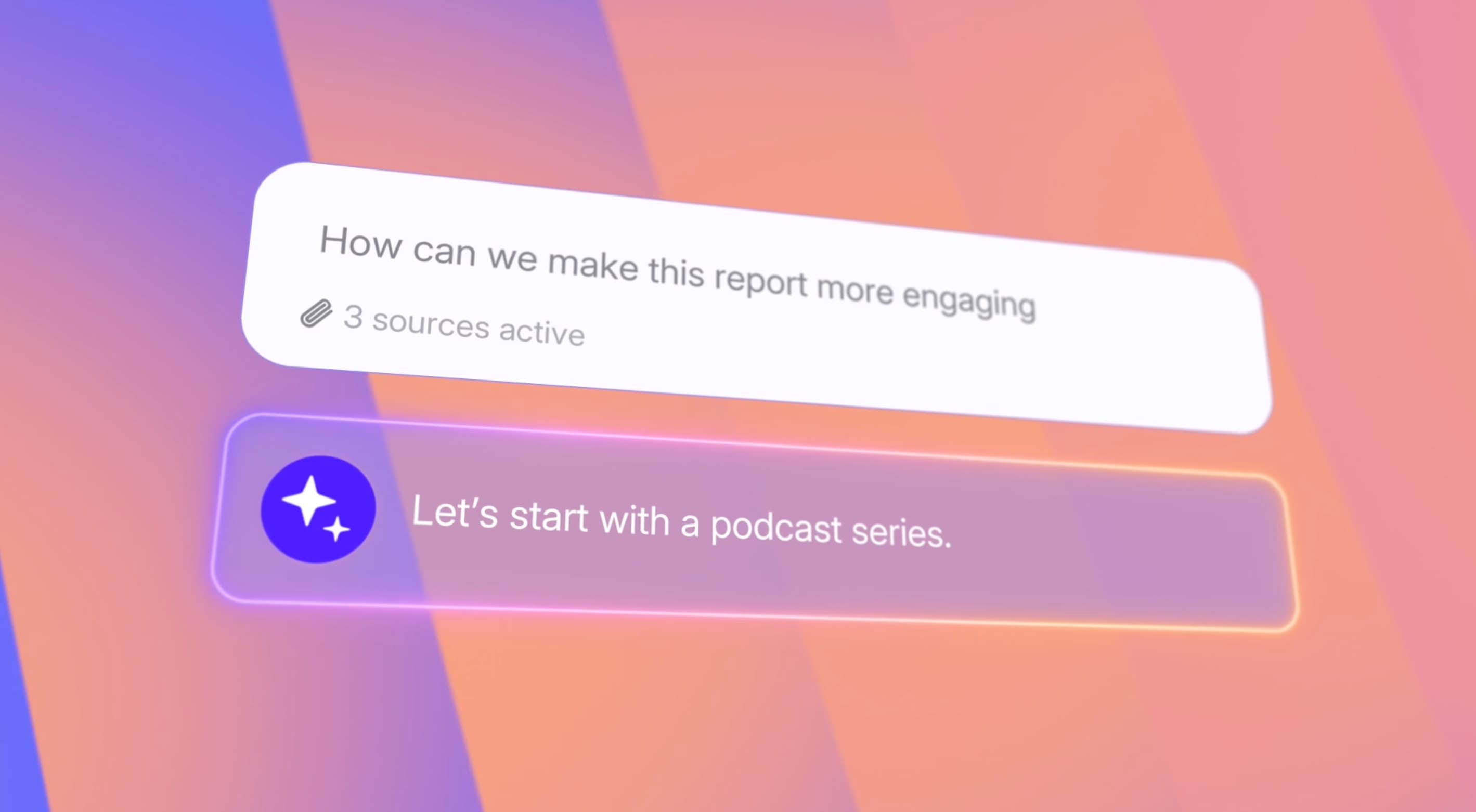
Rather than build a conventional software walkthrough, we focused the launch film on the pressure facing communications teams, then used selected product interactions to prove how Content Studio could help.
Explain the value first. Demonstrate the product second.
The Launch Film
A sixty-second product launch film built around the problem Content Studio solves, rather than a walkthrough of everything the platform can do.
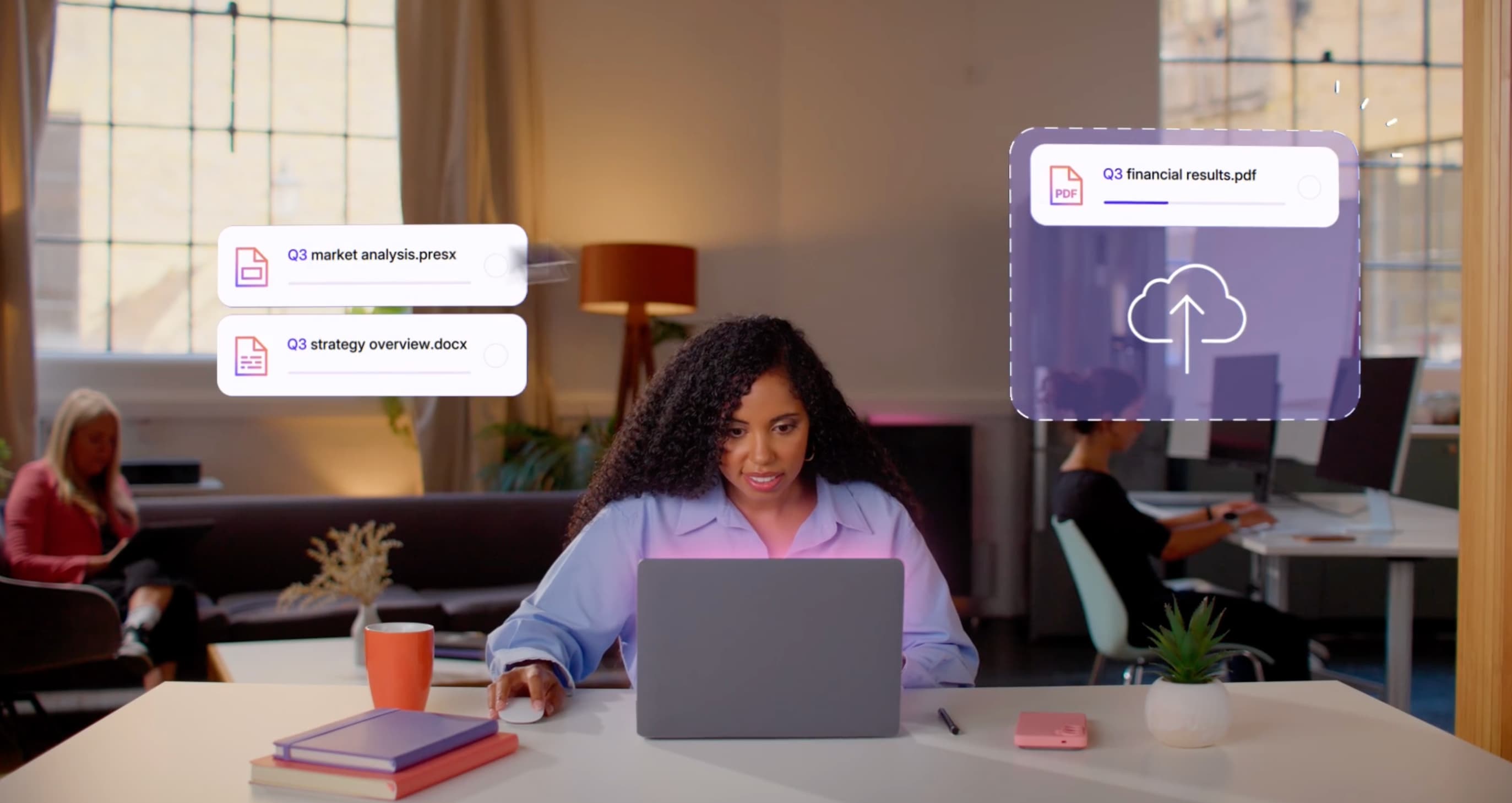
Live action, product UI and motion design work together to move from the pressure facing internal communications teams to a clear demonstration of how Content Studio changes the way content can be created and consumed.
From Positioning To Film
Once the core story was clear, we needed to work out how it would unfold in sixty seconds.
Content Studio's positioning was still being refined, so the script, structure and visual treatment developed alongside those conversations.
Before moving into production, we built the film as an animatic. That gave both teams a way to test the narrative, pacing and product moments while working out how live action, product UI and motion would connect.
Solve the story before the shoot, not in the edit.
Used to align narrative, timing, product interactions and live-action production before filming.
Test where the audience problem needed to land and when Content Studio should enter the narrative.
Identify the interactions that genuinely strengthened the proposition and leave out anything that slowed the story down.
Plan performance, product UI and motion together before filming rather than finding the connections afterwards.
A focused one-day live-action shoot for the Unily Content Studio launch film.
How We Produced It
We kept the production intentionally lean, with senior specialists covering the parts of the shoot that mattered most.
Our DOP managed the camera and lighting setup, while the creative director dialled in remotely from South Africa. Because the creative director had been involved from the beginning, they were not simply directing the shoot day. They already understood the narrative, visual treatment and end goal of the film.
That meant we could work backwards from the finished piece and know exactly what needed to be captured. Alongside the DOP and creative director, the crew included a producer, camera assistant, runner, make-up artist and actress, giving us the right support without overbuilding the production.
Less time working out what to do on set. More time getting the shots and performances we actually needed.
Why it worked
Efficiency came from decisions made before the shoot.
The same creative lead stayed close to the project from the narrative and visual treatment through to production, so the shoot was always working towards the final film.
A highly skilled DOP, producer, camera assistant, runner, MUA and performer gave the production the right coverage without adding unnecessary layers.
AI-assisted art direction helped us explore studio setup, wardrobe, props and colour before filming, giving the team a clearer visual reference on the day.
We used AI to visualise the intended result earlier in the process. That helped us make decisions around the set, costume and props before shoot day, saving time on set and helping protect the production budget.
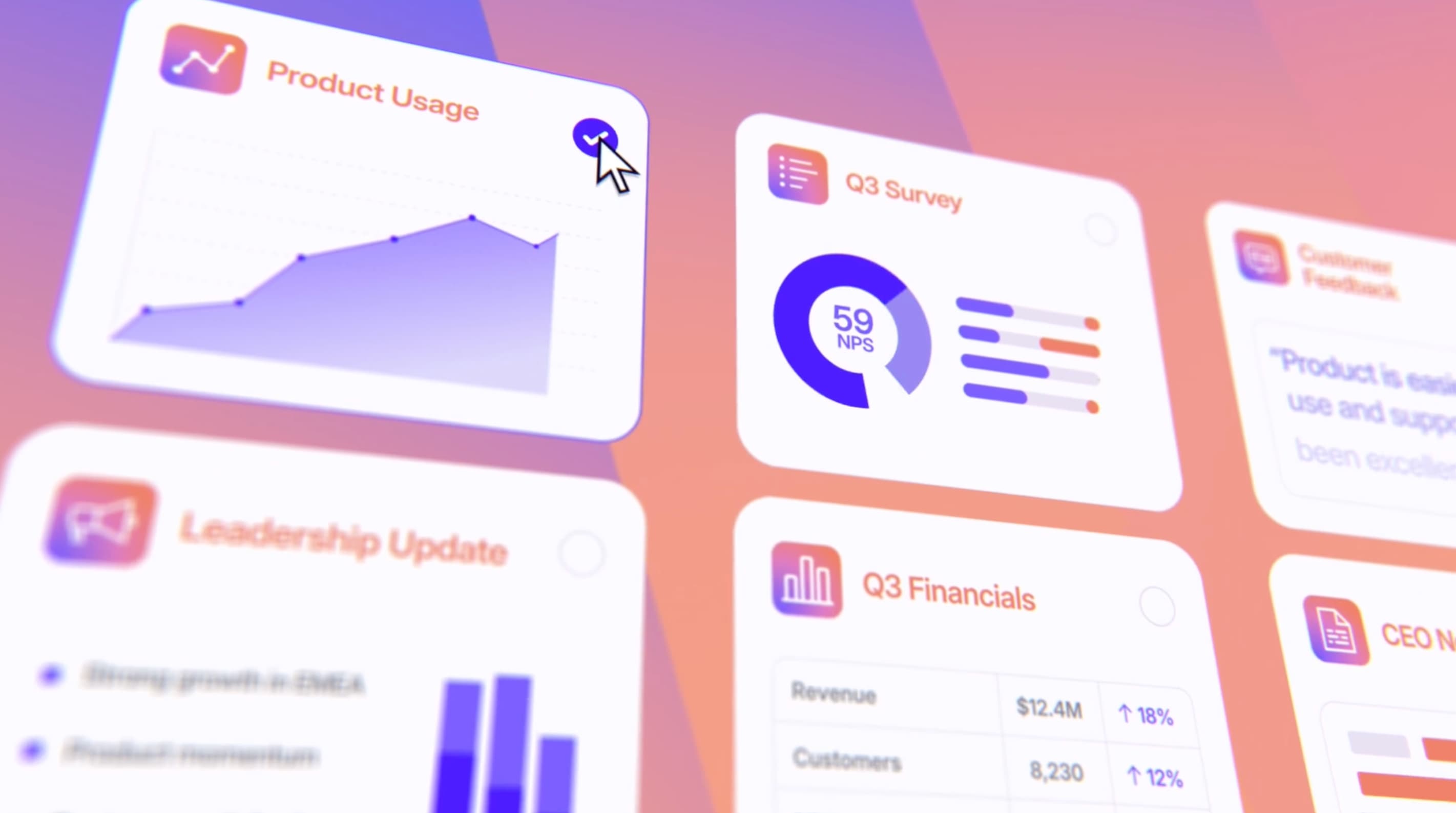
Product UI + Motion
Content Studio could do far more than we had time to show. The job was deciding which product moments actually helped the audience understand its value.
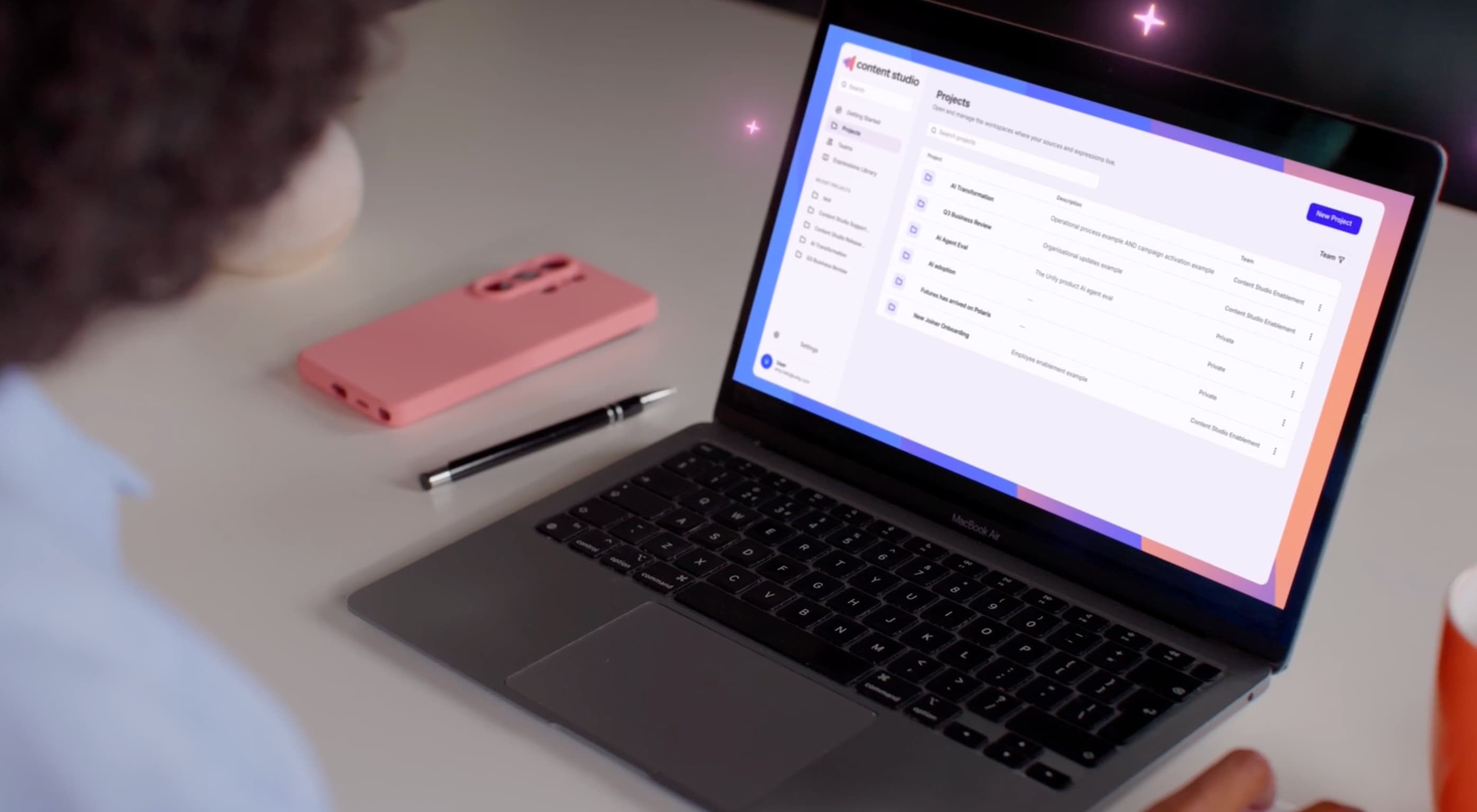
Rather than turning the film into a conventional software walkthrough, we selected a small number of interactions that supported the narrative.
Product UI, motion design and live action were then developed together, so the technology felt like part of the story rather than a demo inserted into it.
The creative decisions
Show enough product to prove the value.
Not every feature belonged in a sixty-second launch film. We prioritised the interactions that made the proposition easier to understand.
Timing, framing and motion were designed around what the viewer needed to notice, rather than reproducing every interaction literally.
Live action and UI were conceived as one sequence, moving naturally from the user's problem into what Content Studio enables.
The product was the proof. The story was still about what changed for the person using it.
Paid Media Assets
The launch film could take a little time to build the story. Paid media could not.
For YouTube, the opening seconds needed to create enough curiosity to stop someone moving on. So rather than simply shortening the sixty-second launch film, we built the campaign edit around a stronger and more immediate hook.
The proposition stayed the same, but the entry point and pacing changed. The audience needed to recognise the problem quickly, understand why it mattered and get to Content Studio sooner.
Don't just cut the hero film shorter. Rebuild the opening around attention.
Hook-led campaign creative designed to reach the audience problem and product value faster.
Built for the placement
Same proposition. Different viewing behaviour.
Lead with a recognisable problem or tension before asking the viewer to care about the product.
Compress the setup and reveal Content Studio earlier without losing the logic of the story.
Treat paid media as its own piece of communication rather than assuming the hero film will work unchanged everywhere.
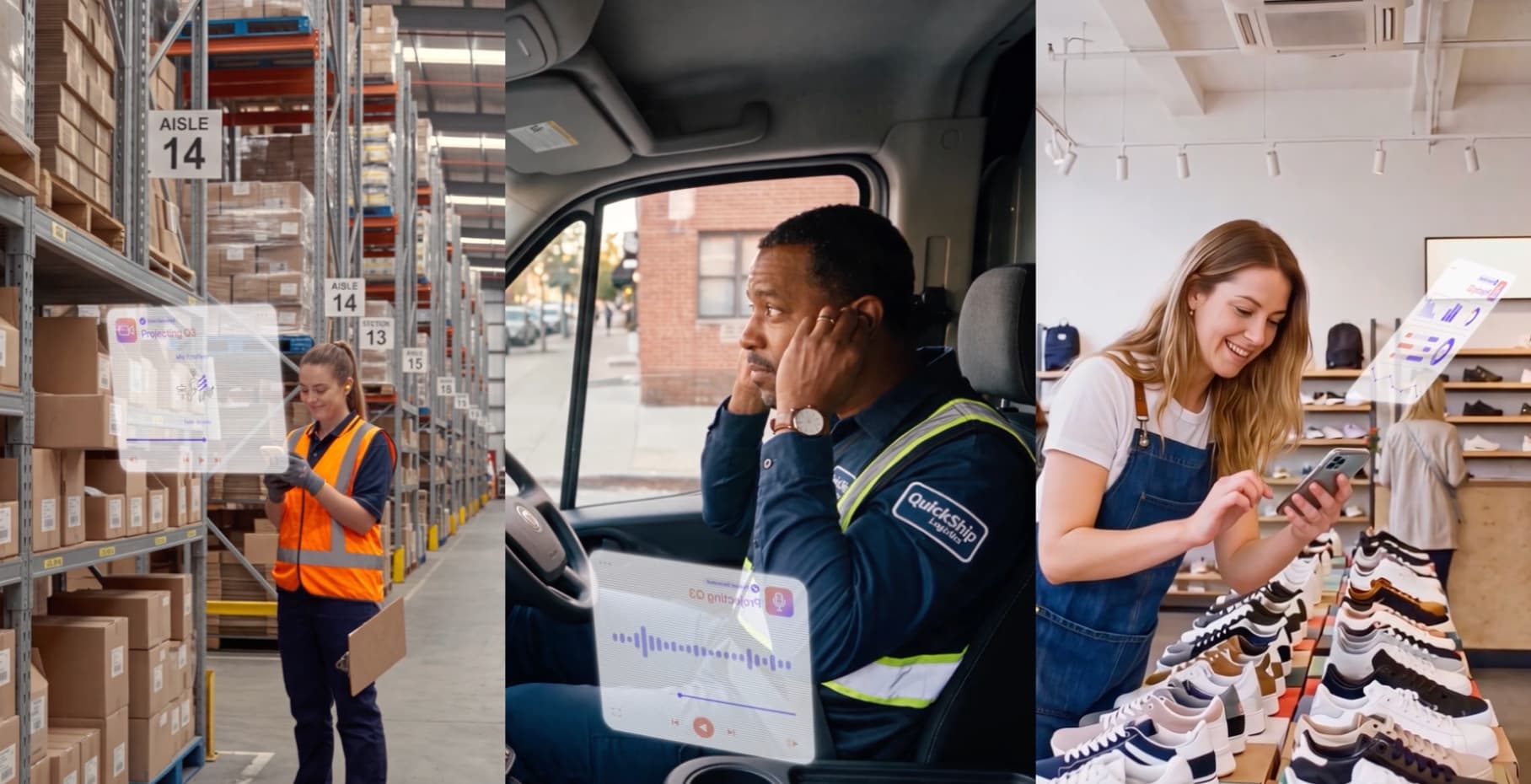
One production gave Unily a core launch story and the shorter, hook-led creative needed to take that story into paid media.
Start A Project
We help B2B teams turn complicated products, services and ideas into films people can actually understand.